
Functional Foods & Herbal Infusions: Nourishment With Purpose
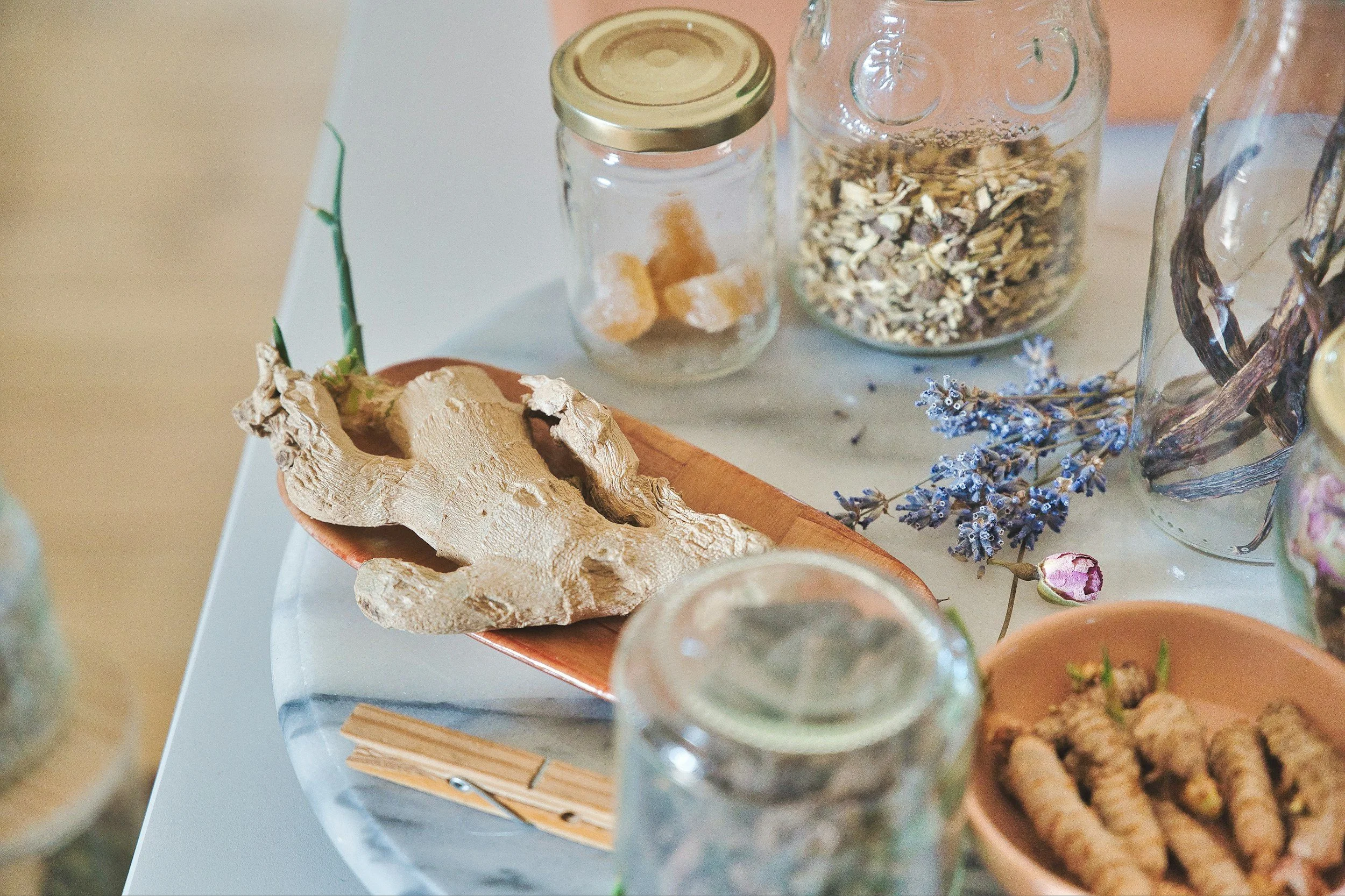
The modern wellness movement is shifting away from the idea that food is simply fuel. More people are now seeking foods that actively support vitality, digestion, immunity, energy, mood, and long-term health. This is where functional foods enter the conversation — foods intentionally designed or naturally rich in compounds that provide benefits beyond basic nutrition.
At Holistic Integrative Wellness, our Herbal Infusion products were created with this philosophy in mind: nourishment should be both deeply satisfying and therapeutically supportive. By combining culinary traditions with herbal wisdom, herbal functional foods bridge the gap between nutrition and holistic wellness.
What Are Functional Foods?
Functional foods are foods or beverages that contain biologically active compounds capable of supporting specific functions within the body. These may include:
Digestive support
Immune resilience
Nervous system balance
Metabolic support
Cardiovascular wellness
Cognitive function
Stress adaptation
Anti-inflammatory support
Unlike synthetic wellness products or isolated supplements, functional foods work through the synergy of whole ingredients. Herbs, spices, mushrooms, seeds, grains, and botanicals contain naturally occurring phytonutrients, antioxidants, volatile oils, minerals, and plant compounds that interact with the body in complex and supportive ways.
Traditional systems of medicine have utilized functional foods for centuries. Many cultures never separated food from healing. Broths infused with herbs, medicinal porridges, spiced grains, adaptogenic beverages, and therapeutic teas were all forms of functional nourishment long before the term existed.
The Role of Herbs in Functional Foods
Herbs are among the most powerful functional food ingredients because they contribute both flavor and physiological support. Culinary herbs and medicinal botanicals contain compounds that can help nourish multiple body systems simultaneously.
For example:
Turmeric is widely valued for its antioxidant and inflammatory-balulating properties.
Ginger has long been used to support digestion, circulation, and warming energetics.
Rosemary is rich in aromatic compounds associated with cognitive and circulatory support.
Hibiscus contributes vibrant antioxidants and mineral-rich nourishment.
Garlic has traditionally been incorporated into foods for immune and cardiovascular wellness.
When herbs are integrated thoughtfully into everyday foods, wellness becomes part of a sustainable lifestyle rather than an occasional intervention.
Herbal Infusions as Functional Foods
Herbal functional foods go beyond adding random herbs into recipes. The goal is intentional formulation — creating combinations where herbs, spices, grains, mushrooms, fruits, and botanicals work together harmoniously.
Our Herbal Infusion product line was designed around this principle. Each blend combines culinary enjoyment with purposeful herbal synergy. Rather than relying on capsules or highly processed wellness products, these foods encourage people to engage with healing traditions through daily nourishment.
Examples of herbal functional foods include:
Herbal-Infused Rice Blends
Rice infused with herbs and spices transforms a basic staple into a nourishing wellness-supportive meal component. Depending on formulation, blends may focus on:
Digestive warmth
Mineral nourishment
Adaptogenic support
Immune resilience
Nervous system calming
Anti-inflammatory culinary support
Ingredients such as nettle, mushrooms, turmeric, fennel, ginger, lemongrass, cardamom, and rosemary can elevate rice from a carbohydrate source into a functional wellness food.
Herbal Broths
Broths are one of the oldest forms of functional nourishment. Herbal broth blends may contain:
Medicinal mushrooms
Mineral-rich herbs
Warming spices
Aromatic roots
Adaptogenic botanicals
These preparations support hydration, digestive comfort, nourishment during recovery, and overall restorative wellness.
Functional Herbal Snacks
Modern consumers increasingly want snacks that provide sustained nourishment instead of empty calories. Herbal snack concepts may incorporate:
Adaptogens
Functional mushrooms
Mineral-rich herbs
Antioxidant-rich fruits
Digestive spices
Healthy fats and fibers
Products such as herbal nut blends, infused granola bark, fruit leathers, mushroom jerky, and herbal clusters create opportunities for wellness-centered snacking.
Herbal Drink Powders
Functional powdered beverages allow herbs to become part of everyday rituals. Depending on the blend, these beverages may support:
Calm and nervous system regulation
Energy and focus
Recovery and replenishment
Digestive wellness
Seasonal immune support
Unlike heavily artificial wellness drinks, herbal infusions emphasize whole-plant synergy and intentional formulation.
Why Consumers Are Seeking Functional Foods
Interest in functional foods continues to grow because many people are becoming more intentional about preventive wellness and ingredient transparency. Consumers increasingly want products that:
Feel connected to nature
Contain recognizable ingredients
Support daily wellness routines
Align with holistic lifestyles
Reduce dependence on ultra-processed foods
Integrate wellness into ordinary meals
Functional foods also resonate because they transform wellness from a “treatment mindset” into a lifestyle practice. A calming adaptogenic oatmeal, mineral-rich broth, or digestive spice blend becomes part of a person's everyday rhythm.
The Importance of Intentional Formulation
Not all herbal foods are automatically functional. Effective herbal functional foods require:
Understanding herbal energetics
Proper dosing considerations
Flavor balancing
Culinary compatibility
Safety awareness
Synergistic formulation
This is especially important when working with concentrated herbs, adaptogens, mushrooms, and potent botanicals. Thoughtful formulation ensures products are both enjoyable and supportive.
At Holistic Integrative Wellness, our Herbal Infusion concepts are designed to honor both traditional herbal wisdom and modern wellness needs. Every blend aims to create an experience where nourishment, flavor, and intentional wellness support coexist.
The Future of Herbal Functional Foods
The future of wellness nutrition is likely moving toward products that are:
Less synthetic
More plant-centered
Traditionally inspired
Nutrient-dense
Functional yet approachable
Herbal functional foods represent a return to ancestral nourishment practices while meeting contemporary wellness goals. As consumers continue seeking holistic ways to support their bodies, herbal infusions provide a meaningful path forward — one meal, beverage, or ritual at a time.
Food has always held the power to nourish more than hunger. When herbs and functional ingredients are integrated intentionally, meals become opportunities for restoration, balance, and connection.